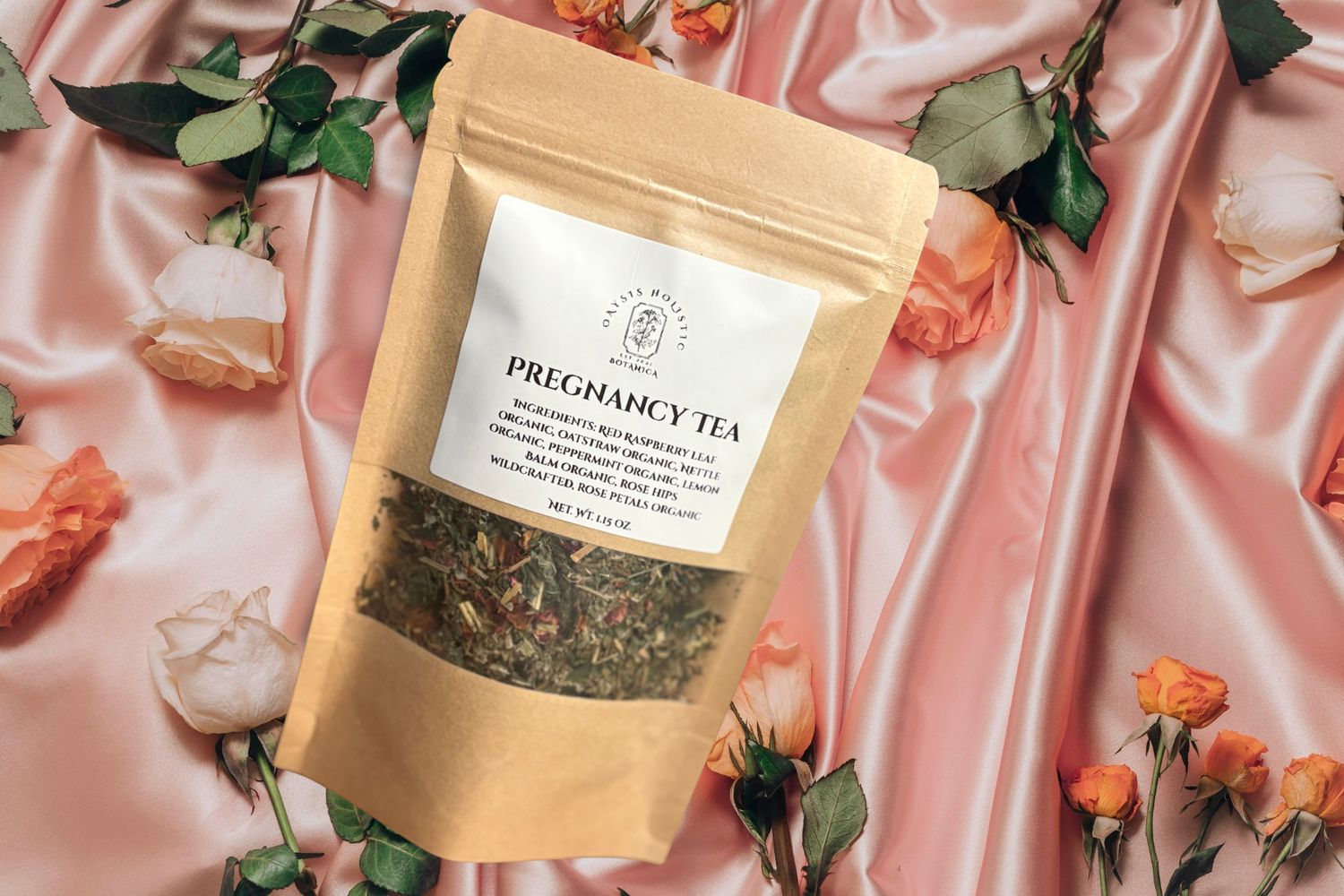
Red Raspberry Leaf:
1. Toning the Uterine Muscles
This is the most celebrated benefit. The tea is believed to contain alkaloids that help tone and tighten the muscles of the uterine wall.
· How it helps: A well-toned uterus can contract more efficiently during labor. This may lead to:
· More productive and coordinated contractions.
· Potentially shorter active labor stages.
· Reduced risk of interventions like forceps delivery or emergency C-section.
2. Potentially Shorter and Easier Labor
While more research is always needed, some studies have shown promising results:
· A 2001 study published in the Journal of Midwifery & Women's Health found that women who drank red raspberry leaf tea in their third trimester had a shorter second stage of labor (pushing) by an average of 10 minutes.
· The same study noted a lower rate of forceps and vacuum-assisted deliveries in the group that consumed the tea.
3. Rich Source of Nutrients
The leaves are a good source of vitamins and minerals that are beneficial during pregnancy, including:
· Iron: Helps prevent anemia and supports increased blood volume.
· Magnesium: Helps with baby's bone growth, relaxes muscles, and can aid with leg cramps.
· Calcium: Essential for building baby's bones and teeth.
· Vitamins A, C, E, and B complex: Support overall health, immunity, and energy levels.
4. May Ease Pregnancy Discomforts
Many women report that the tea helps with:
· Nausea: Especially in the first trimester for some women.
· Leg Cramps: The magnesium content may help alleviate these painful spasms.
· Digestive Issues: It can have a mild laxative effect, helping with constipation.
5. Preparation for Birth
Drinking the tea is often seen as a ritual that helps women feel proactive and connected to their bodies and the upcoming birth process. This psychological preparation can be very powerful.
Nettle:
Nettle leaves are a storehouse of nutrition, with high iron and calcium contents, as well as an excellent source of folic acid, an essential nutrient during pregnancy. Nettle strengthens the kidneys and adrenals, while it relieves fluid retention. Because nettle also supports the vascular system, it can prevent varicose veins and hemorrhoids. Postpartum, it increases breast milk production.
Oatstraw for pregnancy: Oatstraw is primarily considered a nutritive tonic, meaning it is rich in vitamins and minerals that support overall health. Key constituents include:
· Minerals: High in calcium, magnesium, silica, and iron.
· Vitamins: B-vitamins and others.
· Other Compounds: Alkaloids and saponins, which are thought to contribute to its calming effects.
Based on these properties, here are the potential benefits that make it appealing for pregnancy:
1. Nervous System Support: Oatstraw is renowned as a gentle nervine. It can help ease anxiety, stress, and irritability, which are common during pregnancy. It's considered more of a long-term nourisher for the nervous system rather than an acute sedative.
2. Mineral Boost for Mother and Baby: The high calcium and magnesium content can support the baby's bone development and help prevent leg cramps and support the mother's bone health.
3. Skin and Tissue Health: The silica content is believed to support the health and elasticity of the skin, connective tissues, and the uterine wall, which is beneficial as the body stretches and grows.
4. Gentle Tonic: It is generally considered a very gentle, food-like herb that supports the entire body's vitality without being strongly stimulating.
Rosehip & rose petals
1. High in Vitamin C: This is the primary benefit. Vitamin C is crucial for:
· Immune Support: Helping to prevent common illnesses.
· Iron Absorption: It significantly enhances the absorption of non-heme (plant-based) iron, which is vital for preventing pregnancy-related anemia.
· Collagen Production: Essential for the growth and repair of tissues in both the mother and the developing baby, including skin, bones, and cartilage.
2. Antioxidants: Rosehips are rich in antioxidants like lycopene and beta-carotene, which help combat oxidative stress and support overall cellular health.
3. Mild Diuretic: They can have a gentle diuretic effect, which may help with mild fluid retention (edema), a common pregnancy symptom.
4. Digestive Aid: The fiber in rosehips can help alleviate pregnancy-related constipation.
Lemon Balm:
Of course. Here is a comprehensive overview of using lemon balm during pregnancy, based on current herbal medicine knowledge and safety guidelines.
Quick Answer
Lemon balm (Melissa officinalis) is generally considered safe for occasional culinary use during pregnancy. However, using it in larger, medicinal amounts (like strong teas, tinctures, or supplements) should be done with caution and only after consulting with your healthcare provider or a qualified herbalist.
---
Potential Benefits of Lemon Balm in Pregnancy
Many of lemon balm's traditional uses are particularly appealing for common pregnancy discomforts:
· Anxiety and Stress Relief: Lemon balm is well-known for its calming and mild sedative properties. It can be helpful for managing pregnancy-related anxiety and stress.
· Sleep Aid: Its relaxing qualities can promote better sleep, which is often disrupted during pregnancy.
· Digestive Support: It may help ease mild indigestion, gas, and bloating.
· Nausea: Some women find the gentle aroma and flavor of lemon balm tea helpful for settling mild morning sickness.
Lemon Verbena:
· Digestive Aid: It's traditionally used to soothe indigestion, bloating, and gas.
· Calming and Relaxing: Its mild sedative properties may help reduce anxiety and promote better sleep.
· Anti-Nausea: Its lemony scent and flavor can be helpful for some in managing mild nausea
Peppermint:
1. Relieves Nausea and Morning Sickness: This is its most celebrated benefit. The soothing properties of peppermint can help settle an upset stomach. Many pregnant people find sipping a weak cup of peppermint tea helpful, especially in the first trimester.
2. Eases Gas and Bloating: Pregnancy hormones can slow digestion, leading to gas and bloating. Peppermint is a natural carminative, meaning it helps move gas through the system and relieves discomfort.
3. Reduces Stress and Promotes Relaxation: The act of sipping a warm, caffeine-free tea can be very calming. The menthol in peppermint also has a naturally soothing effect.
4. May Help with Congestion: Some women find the menthol vapors from peppermint tea can help clear mild sinus congestion, which can be a pregnancy symptom.
We create everything home made, & handmade with love. We take some of the finest ingredients to create tinctures in a clean & sanitized environment for your wellness.